Your cart is empty
Looks like you haven't added anything to your cart yet


Bambu Lab Engineering Plate: What It Is and Why You Need One
If you’re serious about 3D printing with Bambu Lab H2C printers, you may have heard about the Engineering Plate — but what exactly is it, and why should you consider adding one to your setup? In this post, we’ll break down the benefits, features, and materials that make the Bambu Lab Engineering Plate a must-have for consistent, high-quality prints.
What Is the Bambu Lab Engineering Plate?
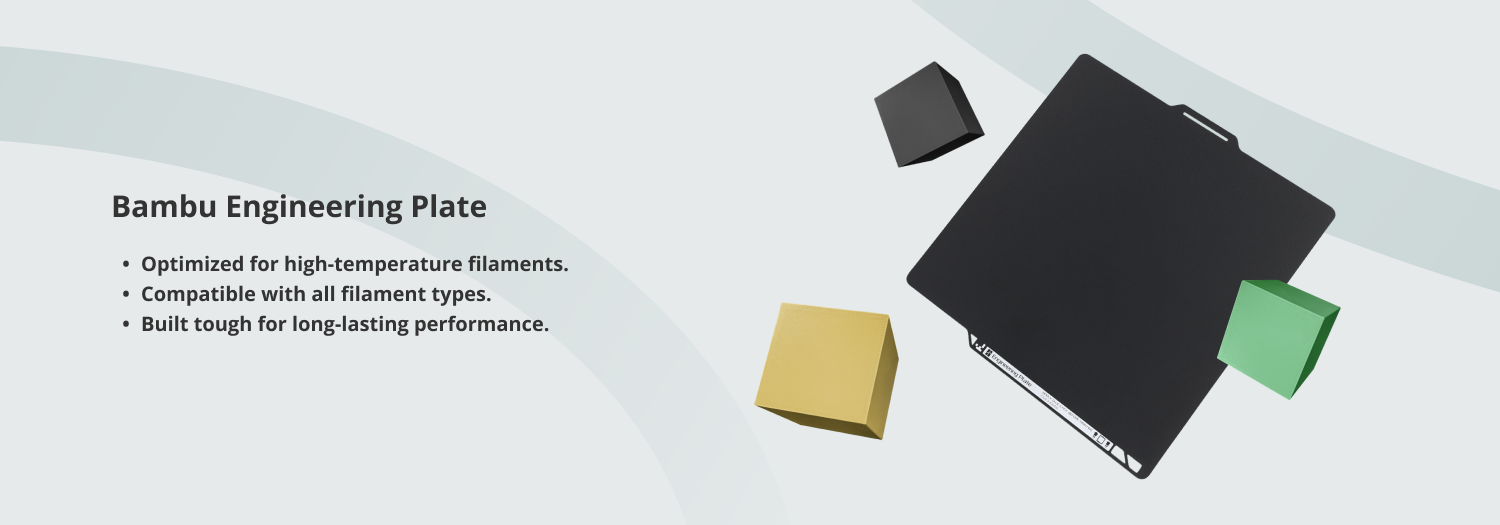
The Engineering Plate is a specialized build surface designed for high-performance 3D printing. Unlike standard textured PEI or magnetic plates, the Engineering Plate is optimized for:
-
Engineering filaments like ABS, ASA, Nylon, and Carbon Fiber blends
-
High-temperature prints without warping
-
Better adhesion and first layers for functional parts
It’s a robust, durable solution that enhances the performance of your Bambu Lab H2C printer, especially if you’re printing demanding or technical materials.
Key Benefits of the Engineering Plate
1. Superior Material Compatibility
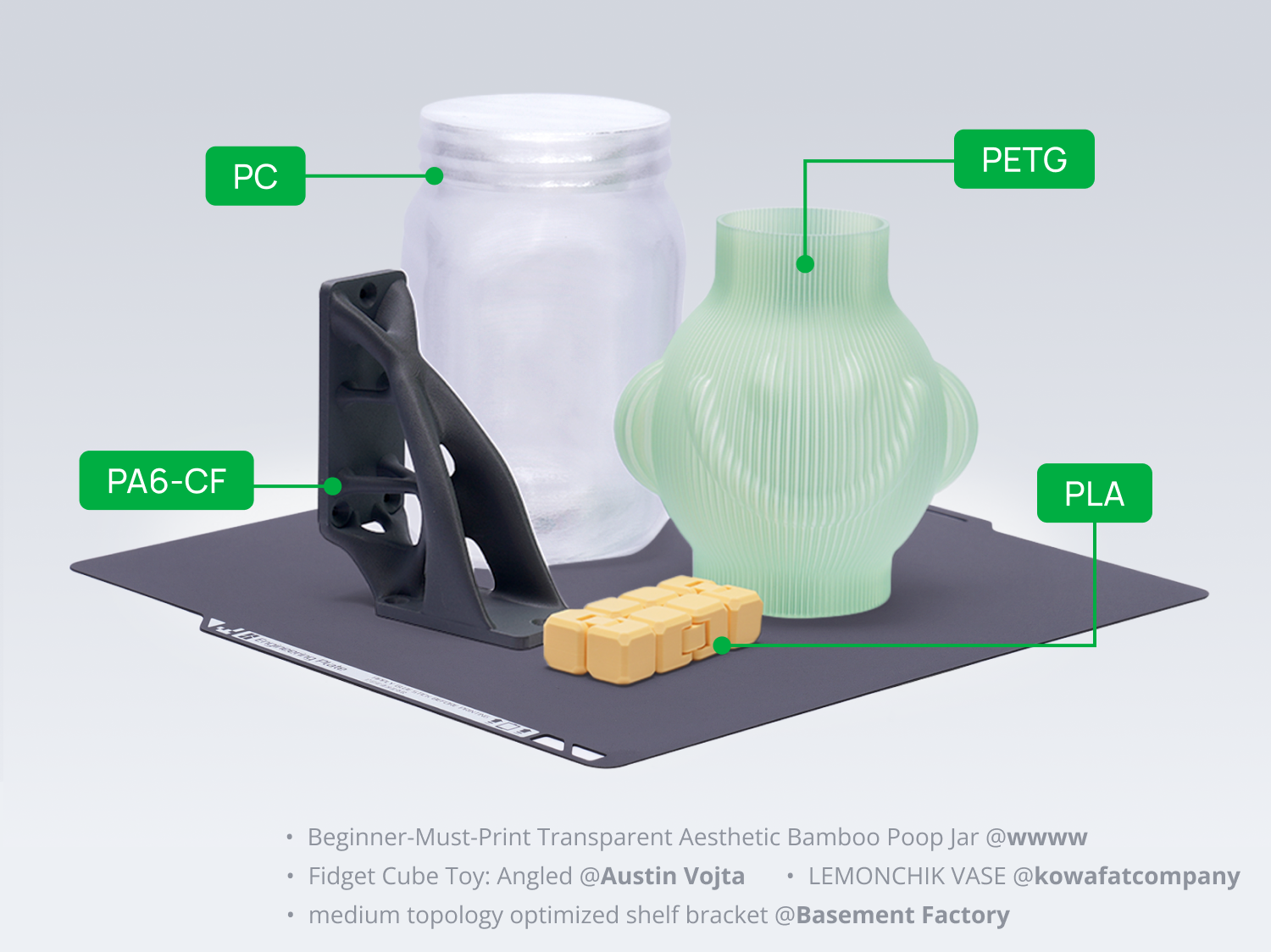
The Engineering Plate works with a wide range of filaments, including:
-
ABS and ASA
-
Nylon and PETG
-
Carbon Fiber and other composite filaments
This means you can experiment with engineering-grade materials that require higher temperatures or more reliable adhesion.
2. Better Print Adhesion
A common 3D printing problem is first layer warping or detachment, especially with ABS or Nylon. The Engineering Plate ensures a stable first layer, reducing failed prints and wasted filament.
3. High-Temperature Performance
Unlike standard plates, the Engineering Plate can handle the higher bed temperatures required for engineering filaments without degradation or curling. This is especially useful for long prints or technical components.
4. Durable and Long-Lasting
Made from high-quality materials, the Engineering Plate maintains its performance over time, even with frequent printing and high-temperature use.
5. Easy Maintenance
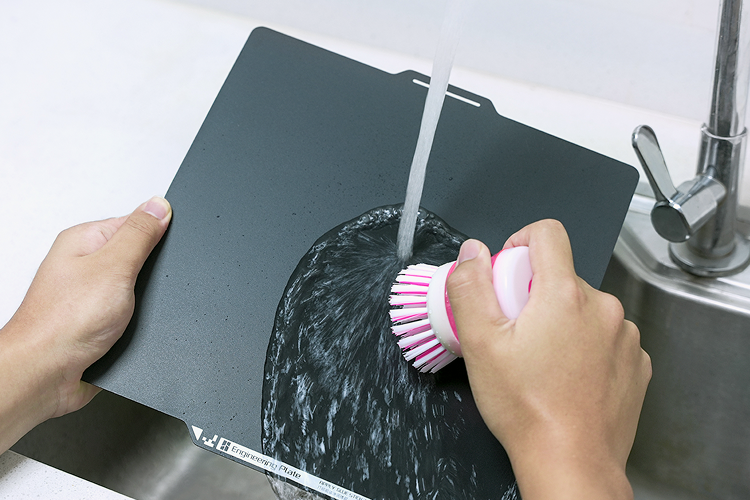
Cleaning and maintaining the plate is simple. A quick wipe with isopropyl alcohol is usually all that’s needed to keep your surface ready for the next print.
Why You Need One
If you want to:
-
Print functional parts that need strength and durability
-
Work with high-performance filaments
-
Minimize first-layer problems and failed prints
-
Upgrade your printing experience on a Bambu Lab H2C printer
…then the Engineering Plate is the ideal upgrade. It’s not just a convenience; it’s a performance booster for any serious maker.
Real-World Use Cases
-
Functional Prototypes: ABS or ASA parts for mechanical testing
-
Tooling Components: Durable parts that need dimensional stability
-
High-Temp Filaments: Nylon or PETG prints for technical applications
-
Composite Materials: Carbon Fiber blends that require stable adhesion
With the Engineering Plate, these prints become more reliable and consistent, reducing frustration and wasted filament.
Final Thoughts
The Bambu Lab Engineering Plate is a simple upgrade with a big impact. Whether you’re printing advanced materials, functional prototypes, or high-temperature parts, it ensures better adhesion, higher durability, and smoother printing on your Bambu Lab H2C.
- Choosing a selection results in a full page refresh.