Your cart is empty
Looks like you haven't added anything to your cart yet


Bambu Engineering Plate vs Cool Plate: Key Differences Explained
Choosing the right build plate can make a huge difference in your 3D printing success. If you’re using a Bambu Lab printer, two popular options are the Engineering Plate and the Cool Plate (SuperTack).
While both improve adhesion and print reliability, they are designed for very different materials and use cases.
In this guide, we’ll break down the key differences, strengths, and when to use each plate.
Designed for high-temperature and engineering-grade materials like ABS, ASA, and Nylon.
Optimized for strong adhesion at low temperatures, especially for PLA and PETG.
Key Differences at a Glance
| Feature | ||
|---|---|---|
| Best for materials | ABS, ASA, Nylon, PC, PETG | PLA, PETG (low-temp focus) |
| Bed temperature | High (up to ~110°C+) | Low to medium |
| Adhesion style | Requires glue for best results | Strong natural adhesion |
| Surface finish | Smooth functional surface | Smooth / slightly glossy |
| Ease of use | More advanced | Beginner-friendly |
| Durability | High (for engineering use) | Consumable surface over time |
🧪 1. Material Compatibility
Engineering Plate → For Advanced Materials
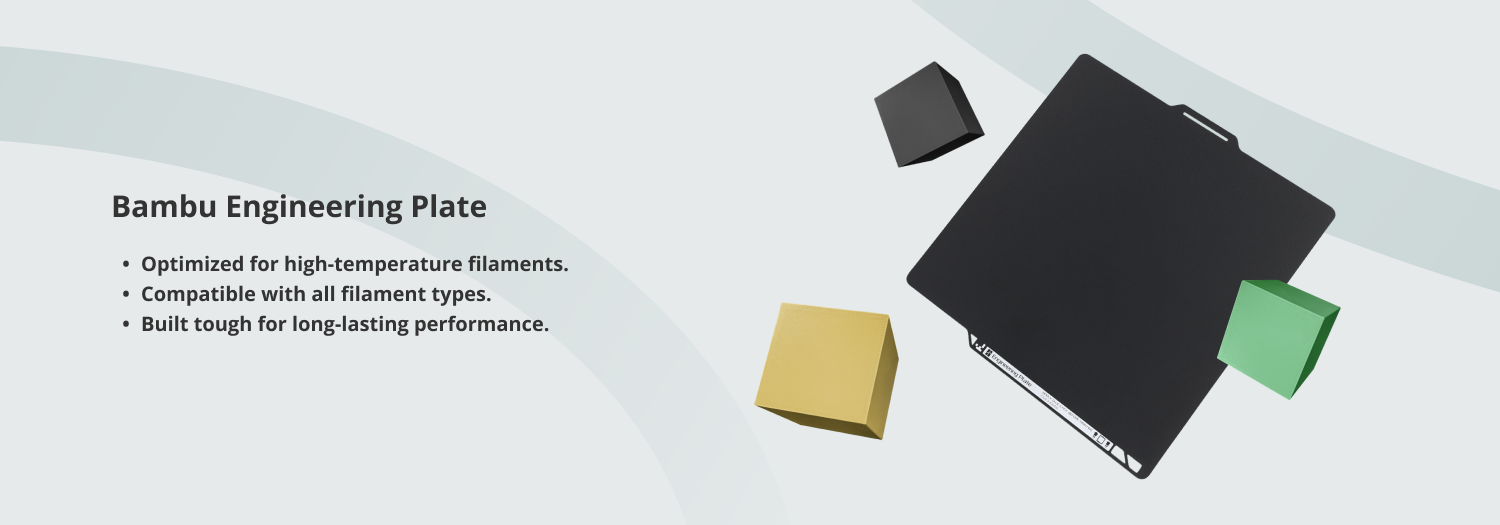
The Engineering Plate is built for high-performance filaments, including:
- ABS / ASA
- Nylon (PA)
- Polycarbonate (PC)
- Carbon fiber composites
These materials require higher bed temperatures and stable adhesion, which the Engineering Plate is designed to handle.
👉 Best for: functional parts, engineering prototypes, high-strength prints
Cool Plate → For Everyday Materials
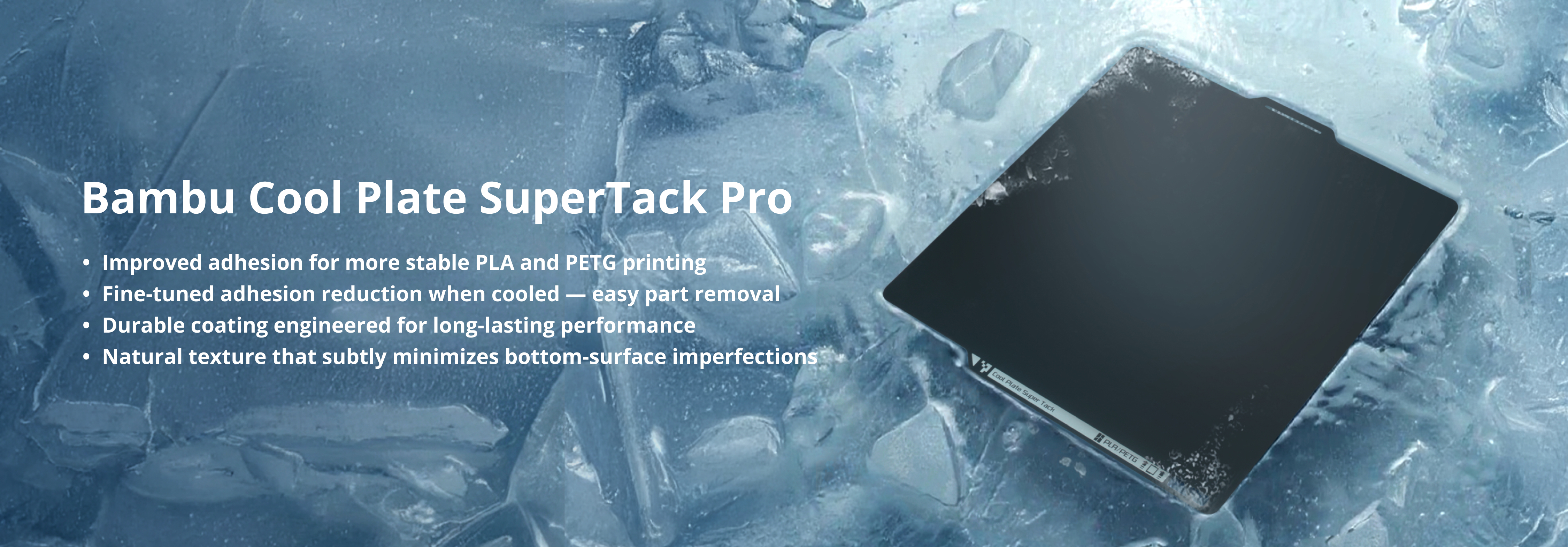
The Cool Plate (SuperTack) is optimized for:
- PLA
- PETG
It provides excellent adhesion even at lower temperatures, making it ideal for everyday printing.
👉 Best for: decorative prints, prototypes, high-volume PLA printing
🌡️ 2. Temperature Requirements
Engineering Plate
- Works at high bed temps (90–110°C+)
- Necessary for materials that tend to warp
- Often requires glue stick for proper release
Cool Plate
- Works at low temperatures
- Faster heat-up time
- More energy-efficient printing
👉 This makes it perfect for print farms or frequent PLA users
🧲 3. Adhesion & Ease of Use
Engineering Plate
- Strong adhesion, but:
- Usually needs glue or adhesive layer
- More tuning required
- Better for experienced users
Cool Plate
- “SuperTack” coating provides natural grip
- No glue required in most cases
- Easy print removal after cooling
⚠️ Note: The surface is softer and can wear over time
🎨 4. Surface Finish
- Engineering Plate: Functional, less focused on aesthetics
- Cool Plate: Produces clean, smooth bottom layers, ideal for display models
If visual quality matters → Cool Plate wins
If strength matters → Engineering Plate wins
⚙️ 5. Durability & Maintenance
Engineering Plate
- Built for long-term use
- Handles high heat without degradation
- Requires proper cleaning (no acetone)
Cool Plate
- Considered a consumable surface
- Coating may degrade over time
- Needs careful handling (avoid scraping too hard)
🏆 Which One Should You Choose?
Choose the Engineering Plate if you:
- Print with ABS, ASA, Nylon, or PC
- Need strong, functional parts
- Use an enclosed printer
- Don’t mind using glue or tuning settings
Choose the Cool Plate if you:
- Mainly print PLA or PETG
- Want easy, reliable first layers
- Prefer no glue and minimal setup
- Focus on speed and convenience
🧠 Final Verdict
- Best for beginners & daily printing: → Cool Plate SuperTack
- Best for advanced materials & strength: → Engineering Plate
In reality, most serious users will benefit from having both plates, switching depending on the material and project.
🔚 Final Thoughts
The Bambu Engineering Plate and Cool Plate are not competitors—they’re complementary tools.
- One is built for performance and engineering materials
- The other is designed for ease of use and everyday printing
Understanding when to use each will help you:
✔ Reduce failed prints
✔ Improve surface quality
✔ Expand your material capabilities
- Choosing a selection results in a full page refresh.