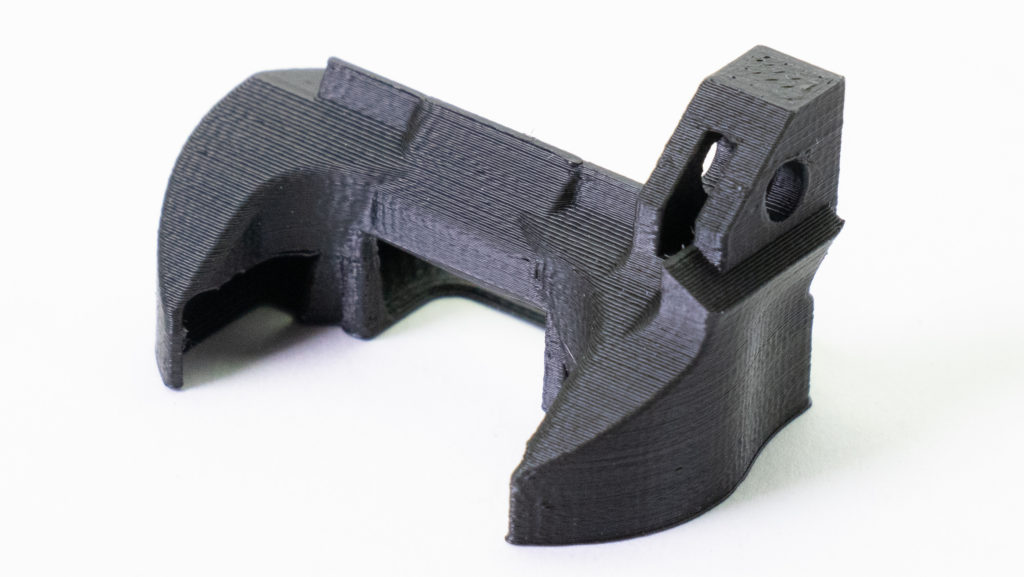
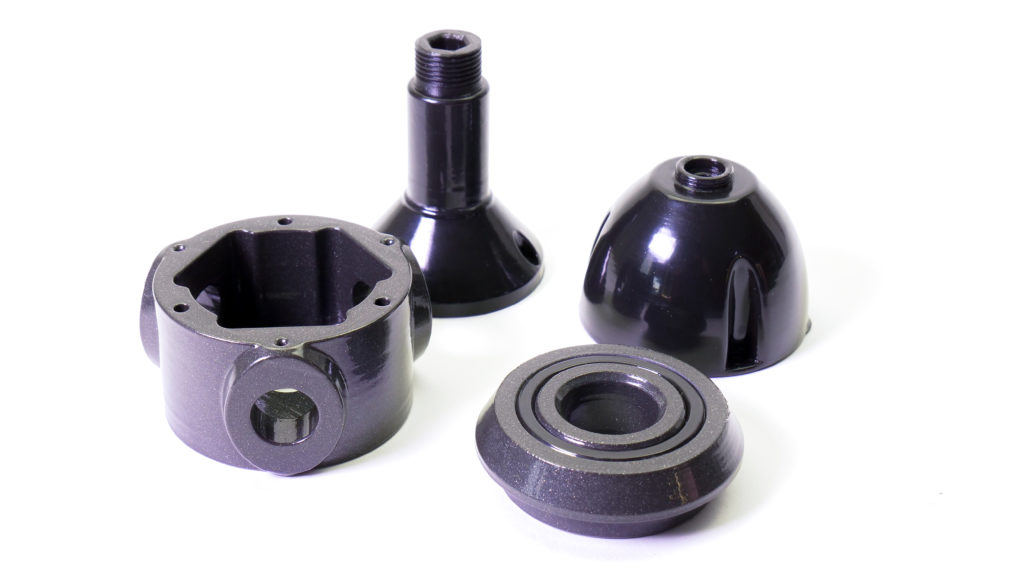
ASA can be considered the true successor to ABS. Compared to ABS, it is UV stable, doesn't really shrink, and the fumes it produces are much less noticeable. ASA 3D prints are durable, strong, and suitable for a wide range of applications. The solidification temperature is also higher compared to PLA and PETG, giving ASA-printed objects excellent temperature resistance – there is no sign of warping up to temperatures close to 93°C. Thanks to all these properties, ASA is particularly well-suited for printing objects intended for long-term outdoor use.
However, you may still encounter some issues related to material warping – especially when printing large models. Even with the heated bed set to 110°C, prints can shrink and warp, causing them to detach from the print bed. Nevertheless, the effects are much less pronounced than with ABS. This problem can be mitigated by printing in a confined space or adding a high skirt around the object.


 Bambu Lab PLA Basic Filament (With Bambu Reusable Spool) 1.75mm - 1kg (Various Colors)
$29.99
Bambu Lab PLA Basic Filament (With Bambu Reusable Spool) 1.75mm - 1kg (Various Colors)
$29.99


